Seabin, founded by boat builders Pete Ceglinski and Andrew Turton, has grown from a floating rubbish bin idea into a global ocean-cleanup and pollution data platform.
If there are rubbish bins on land, why aren’t there bins in the water? From that simple, lateral thought, Seabin was born.
Pete Ceglinski, CEO and Co-Founder of Seabin, began his career as an industrial designer before spending 12 years as a high-performance boat builder for America’s Cup racing teams. While travelling the world with the Volvo Ocean Race, Pete met fellow boat builder Andrew Turton. A few years later, in Miami, Andrew shared his idea for a floating rubbish bin.
In 2015, Pete left yachting and took the first steps towards building Seabin with Andrew. While Andrew returned to yachting, Pete became the driving force behind the company, leading Seabin from a simple idea to a global ocean-cleanup brand.
Cleaning Sydney Harbour around the clock
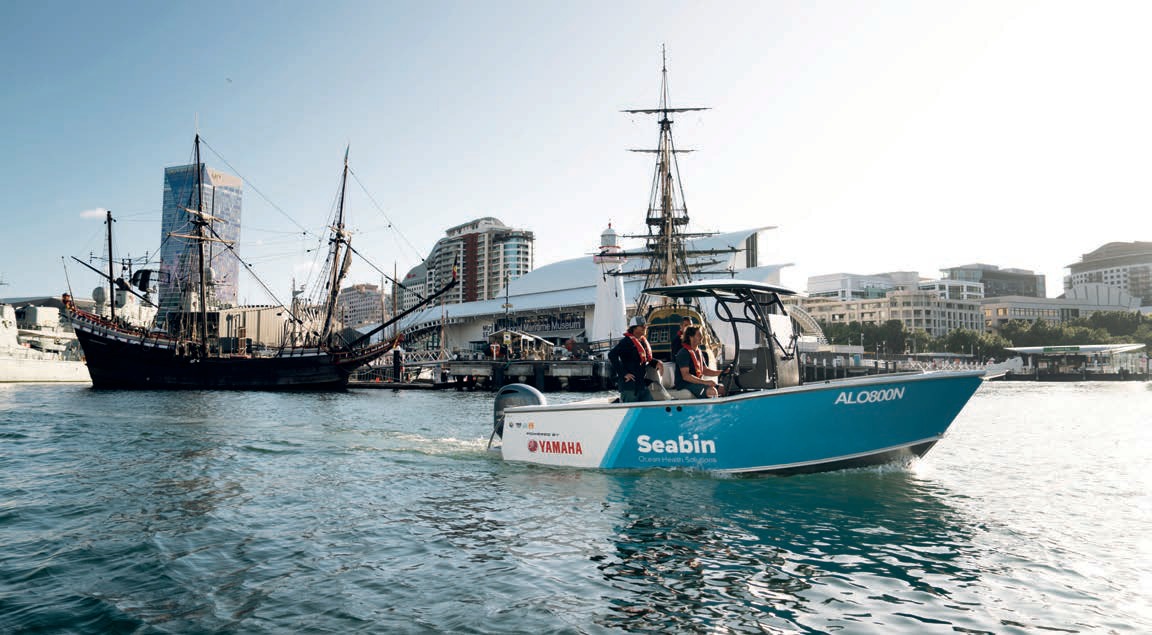
Today, Seabins quietly operate across marinas and yacht clubs, including Sydney Harbour, filtering seawater around the clock and capturing plastics, microplastics and marine litter.
Since July 2020, Seabins in Sydney Harbour have filtered more than 42 billion litres of water, removing over 31 million plastic items and more than 18 million microplastics. More than half of the pollution collected is microplastics.
Turning pollution into data
But Seabin’s greatest impact may not be what it removes, it’s what it learns.
At the Ocean Health Lab, samples of collected waste are catalogued by hand and recorded using sophisticated labelling software. This transforms pollution into data: identifying what is entering our waterways, where it comes from and who may be responsible.
Cleaning the harbour treats the symptom. The data helps tackle the cause.
Current Seabin data shows that microplastics are the largest category of plastic pollution, while soft plastics are the second most captured category. The data program is also expected to support anticipated Extended Producer Responsibility (EPR) legislation, which would require manufacturers and brand owners to take greater responsibility for the lifecycle of their products and packaging.
Currently Seabin’s data shows:
- Cadbury is the number one top polluter in Sydney Harbour
- +57% of all plastic pollution is microplastics
- Soft plastics are the second most captured category after microplastics
A distinctly Australian story
Seabin has evolved from a simple cleanup device into a powerful platform for research, accountability, sustainability reporting and policy change.
It is a distinctly Australian story: homegrown innovation trusted around the world, with recognition from National Geographic, Bloomberg, Forbes, TIME and the World Economic Forum.
Host, partner or support Seabin
As Pete says, “Everyone wins in this model”: marinas get cleaner, businesses can strengthen their sustainability efforts, and our oceans become cleaner every day.
Back the story you want to see on the water. Host a Seabin, partner with the team, or support the mission. Together, we can turn innovation into action.
Learn more at seabin.io or contact contact@seabin.io to explore partnership opportunities.
“Everyone wins in this model.”
Pete Ceglinski, CEO and Co-Founder, Seabin
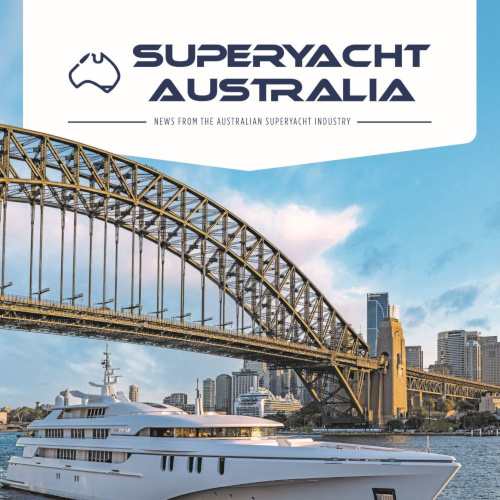
Featured in Superyacht Australia Magazine
Featured in Superyacht Australia Magazine Issue 14. Explore the full digital edition for more destination guides, industry news and interviews from across the Asia Pacific superyacht sector: https://online.flippingbook.com/view/197365019/